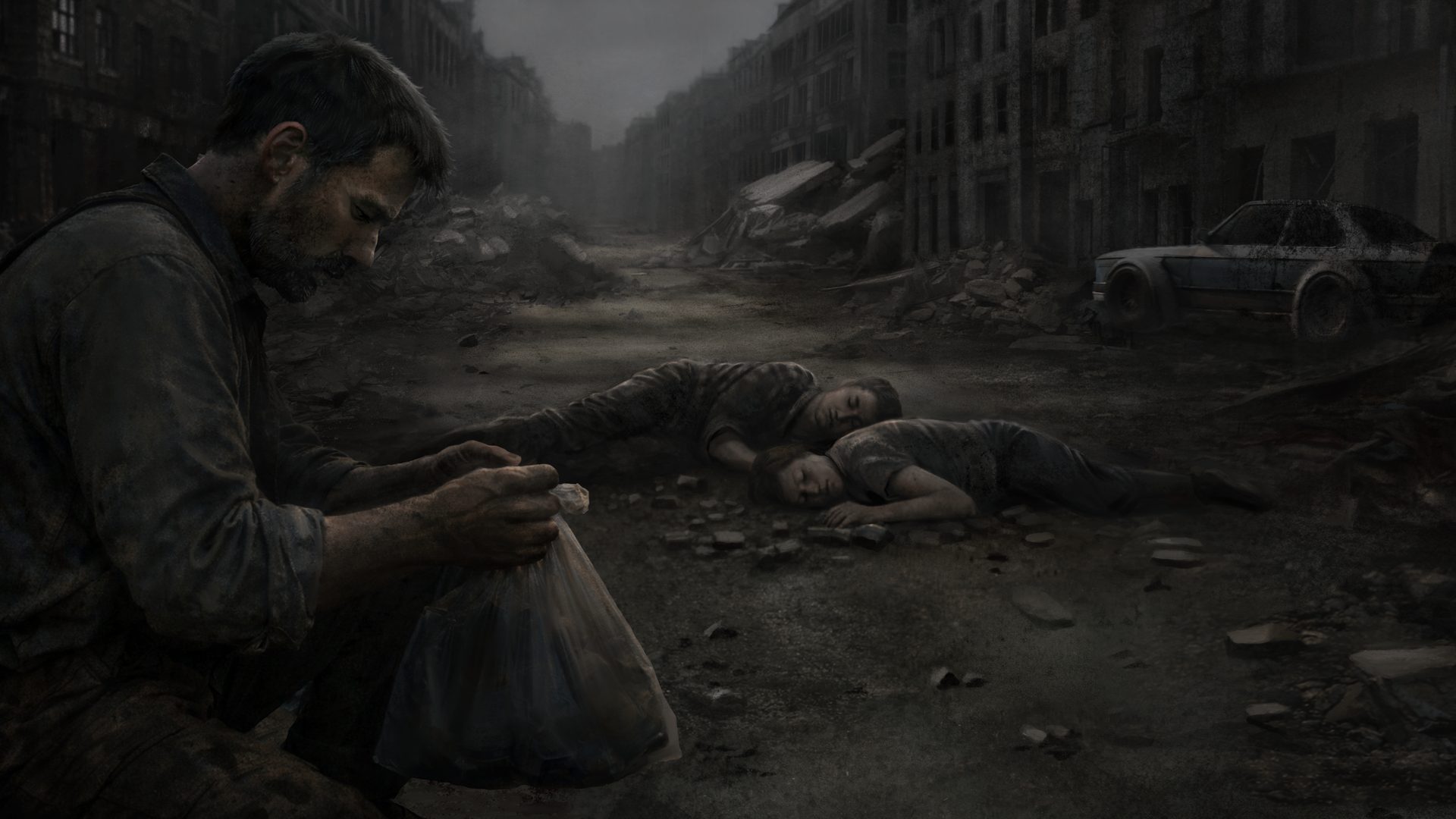
Witnesses of War
Ordinary people, no training between them, trying to last a war that arrived where they live.
People like us, in the middle of somebody else's war.
Everyone in the group is a civilian. No training between them, no unit, no plan, and nobody volunteered. They were living in the city when the fighting reached it, and now they are in the middle of a war with the skills of people who were never expecting one.
That is the situation the game hands you. Ordinary people deciding things nobody prepared them to decide, in conditions that keep getting worse while they decide.
They are fragile. They get hurt easily, they frighten, they wear down, and losing one of them is permanent.
The combat is realistic, which is why you avoid it.
An ordinary firefight can leave somebody badly wounded, and often enough it kills them. Nothing refills afterwards. A wound needs medicine, time and rest, and whoever is resting is not out scavenging, which turns into a different problem three days later.
People in real conflicts stay out of fighting wherever they can, and the systems here push you the same way. A full run without killing anyone is possible, and it is a reasonable way to play.
The genre word is survival. Everything in the design serves lasting another week.
Nights outside, days inside
Going out is the dangerous part
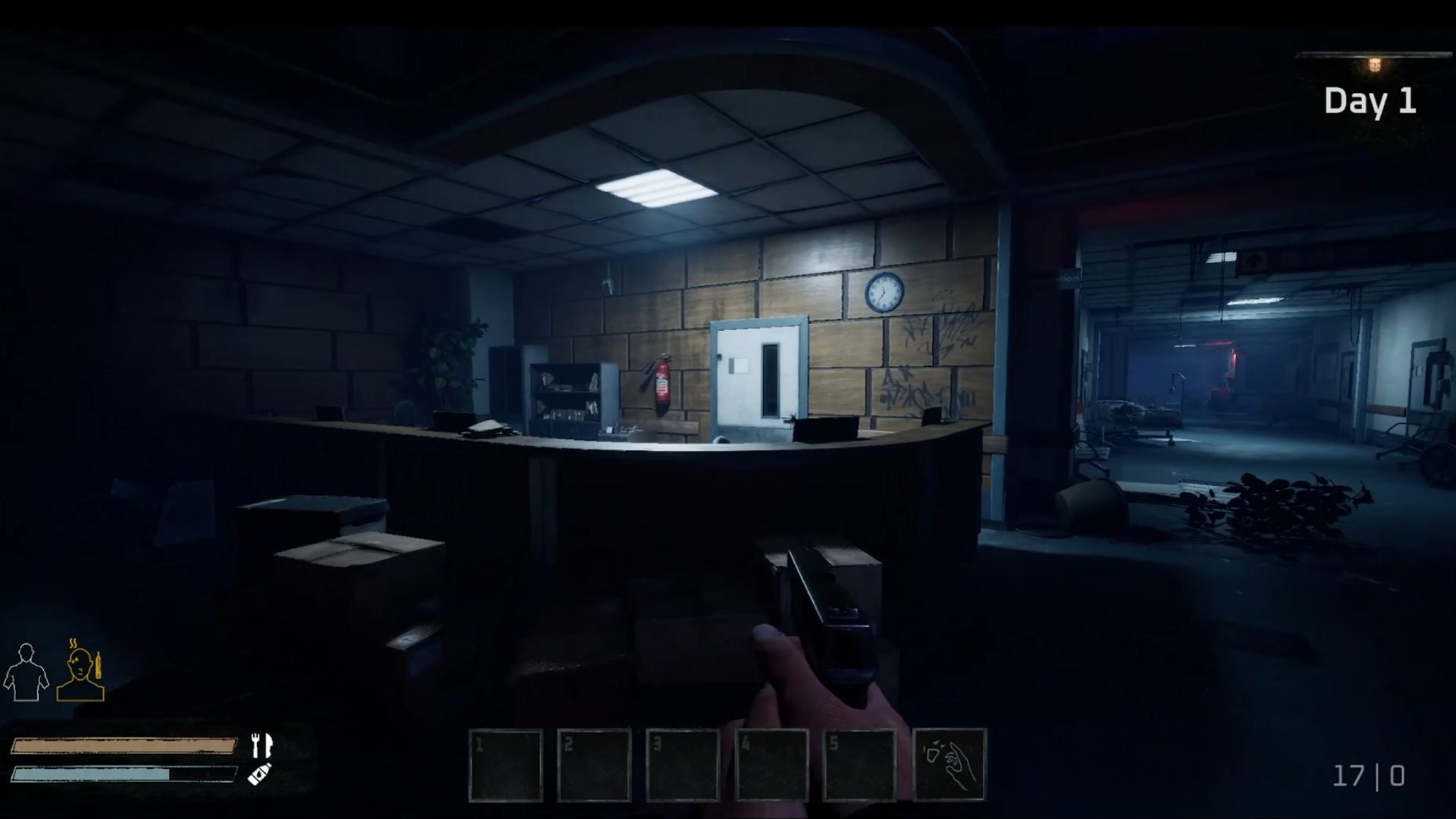
You leave the shelter at night for supplies and for information, and you would rather not be seen doing it. Buildings you have already stripped stay stripped. Whoever you send is the one exposed, and a bad night out is how a group loses somebody permanently.
Keeping people alive is more than feeding them
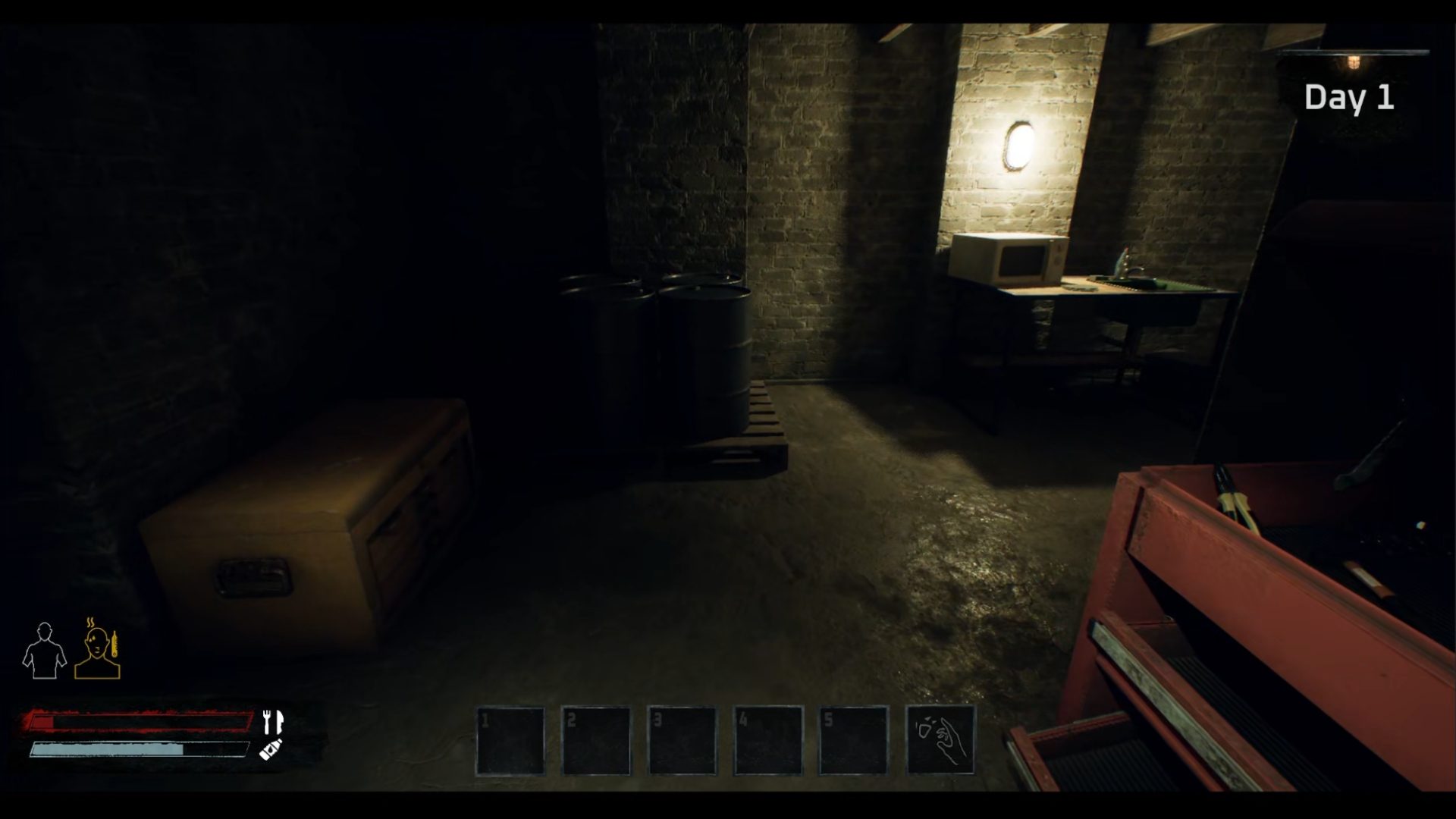
Around a dozen systems run against each other: hunger, thirst, physical health, mental health, morale, rest. Push one and another gives. Let the balance go entirely and people stop functioning. They sink into depression, walk out of the shelter, or take their own lives.
Ordinary people, and you decide for all of them
Thomasz
Concept art
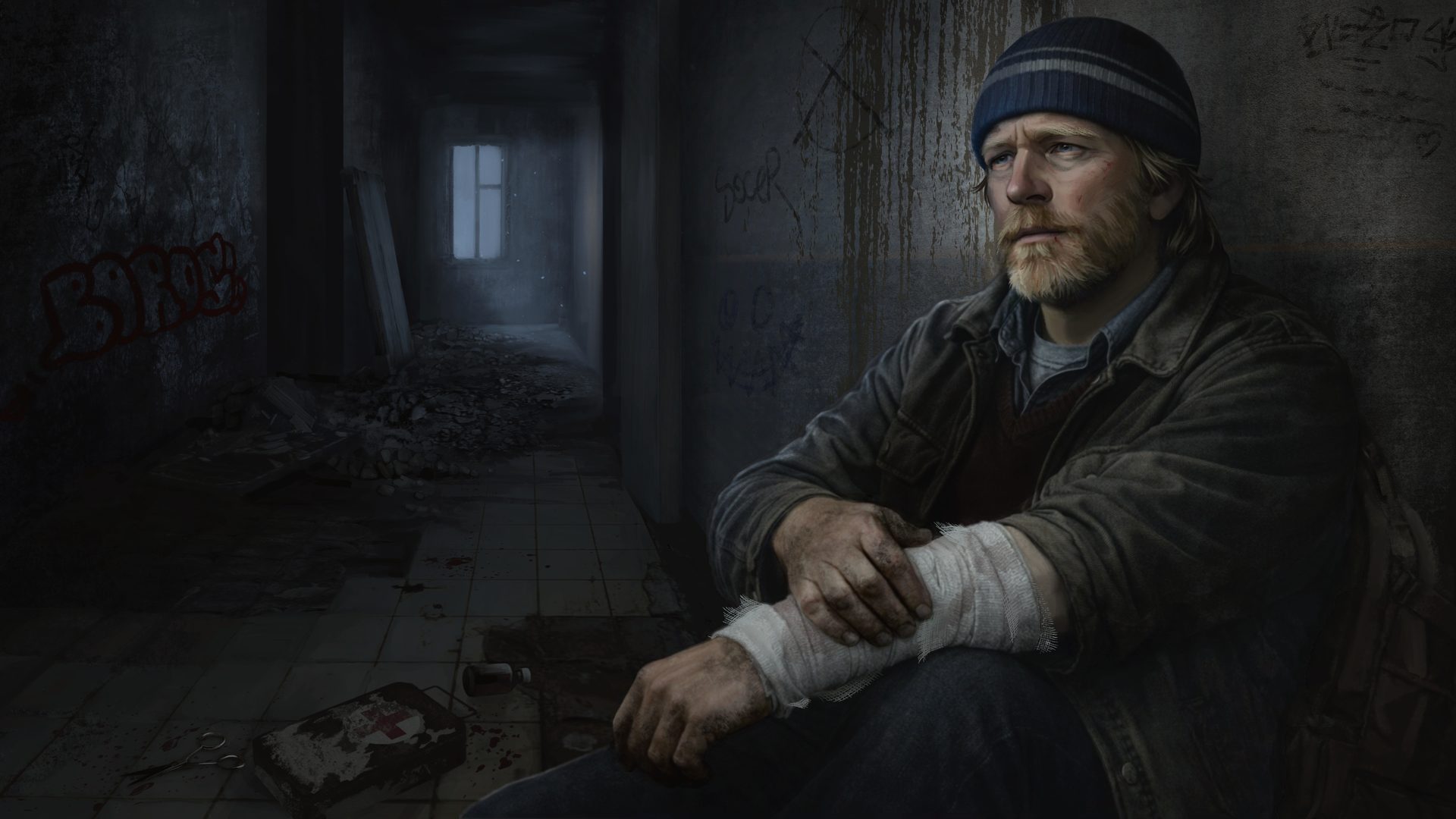
Anders
Concept art
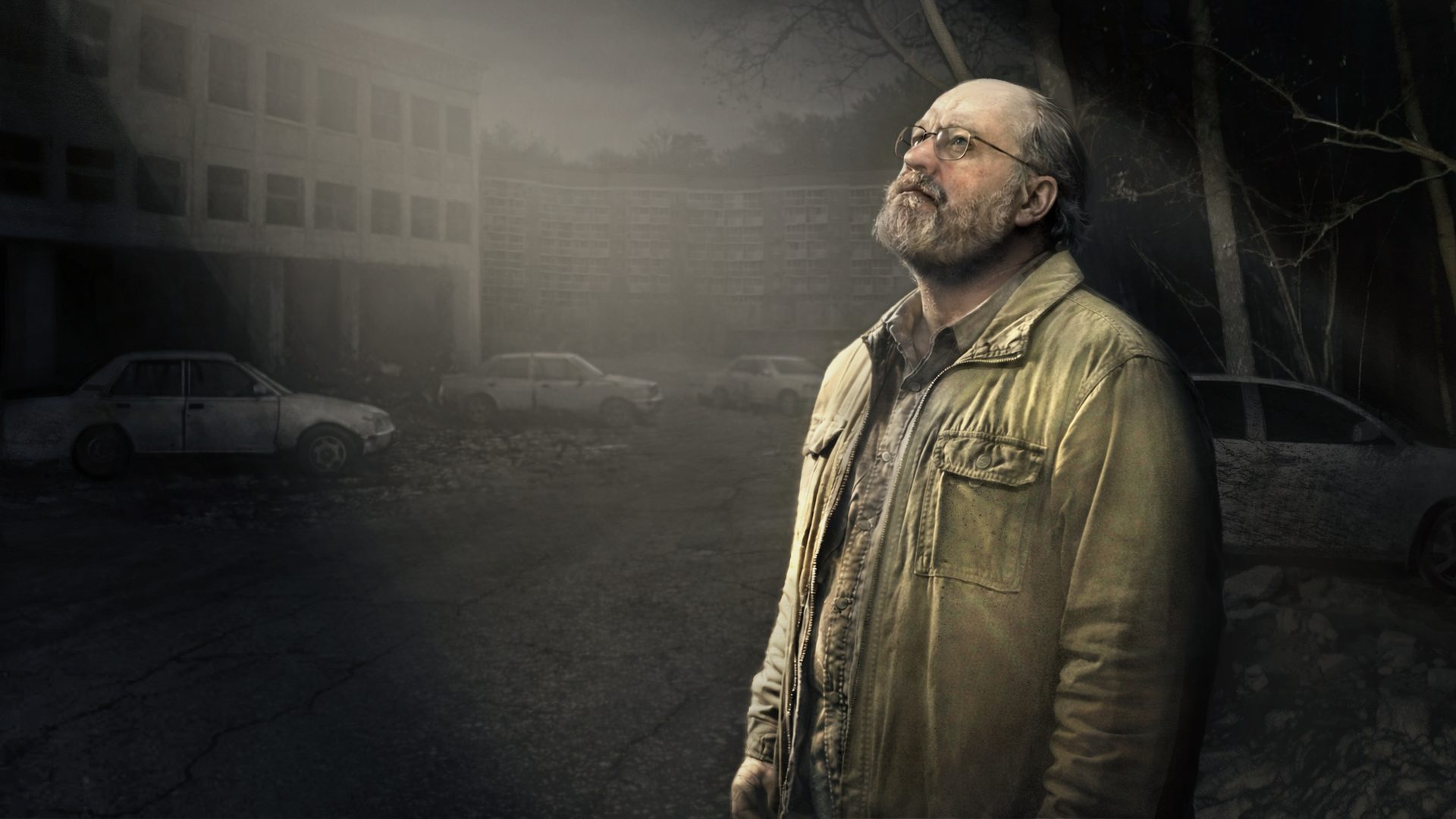
Edward
Concept art
Everyone has a history
Each survivor carries a name, a personality and a life from before this. The roster changes with every new story, so the people you are keeping alive are never quite the same twice.
Loss is permanent
Death does not reverse. Neither does injury. A survivor who comes back damaged stays damaged for whatever is left of the story.
People change
They are shaped by what you put them through. The same character can finish a story decent or ruined, and the difference is the calls you made on their behalf.
Decisions you have to live with.
Some of the choices are genuinely hard, and a few of them have no clean answer in them at all. Someone gets what they need and someone else waits, and you are the one who decides which.
Many of those decisions carry long consequences. What you do in the first week shapes what the group can survive in the third, so the game rewards planning several days out instead of solving whatever is loudest today.
The closest reference is This War of Mine. The genre sits a little apart from it, and the comparison is a fair one.
Trailers
Gameplay
Hook trailer
Systems overview
Concept art
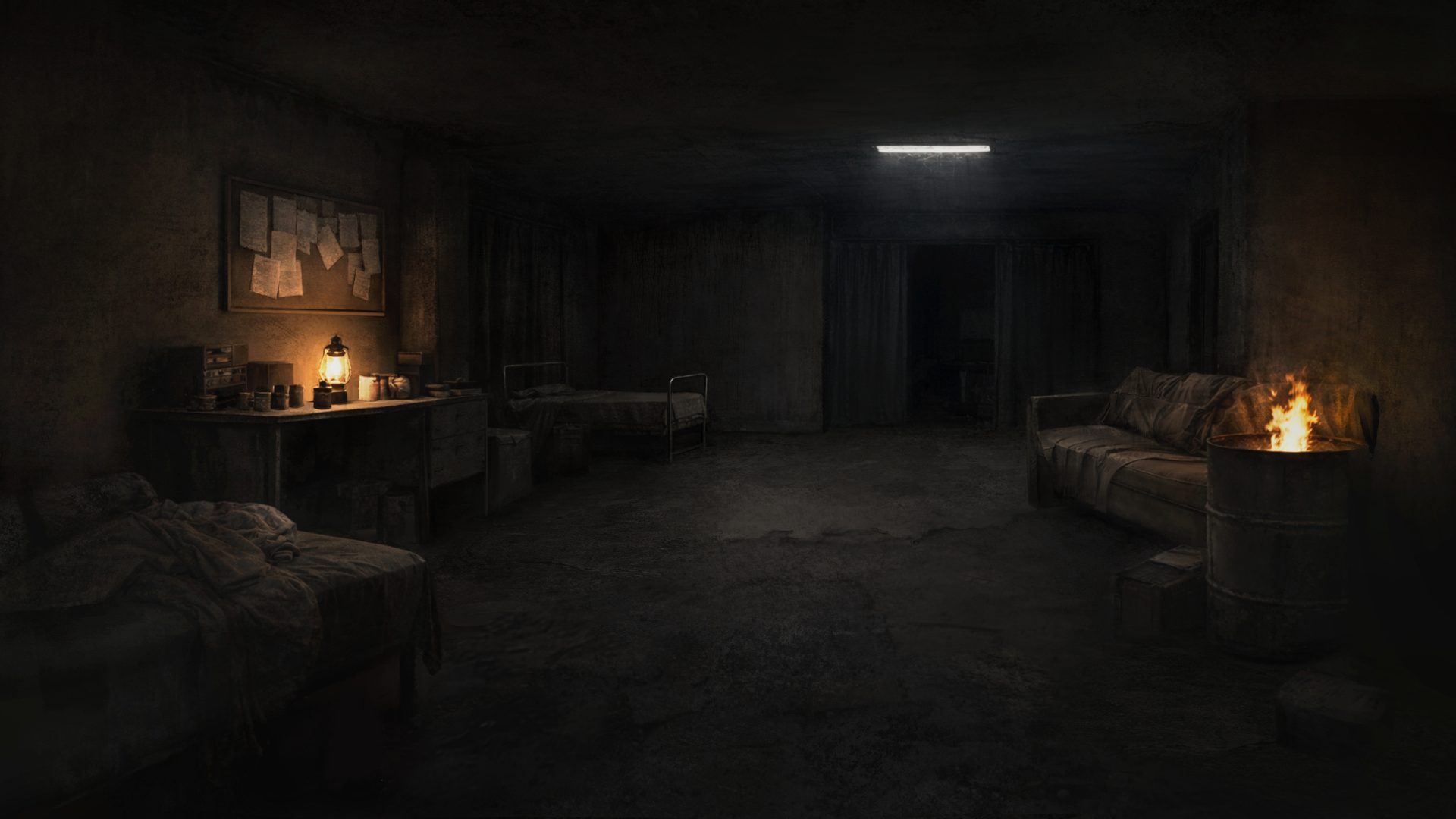
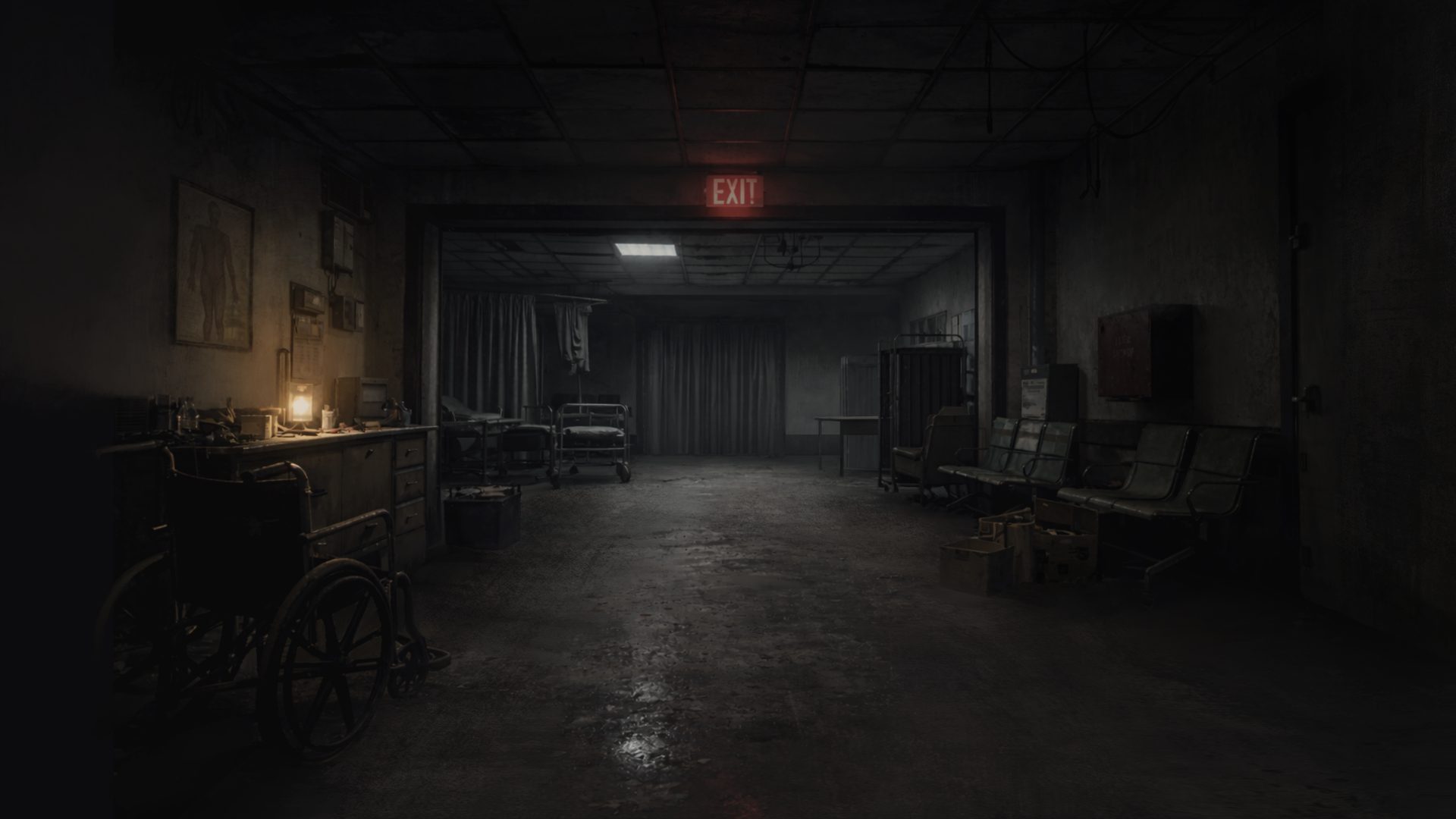
From the build
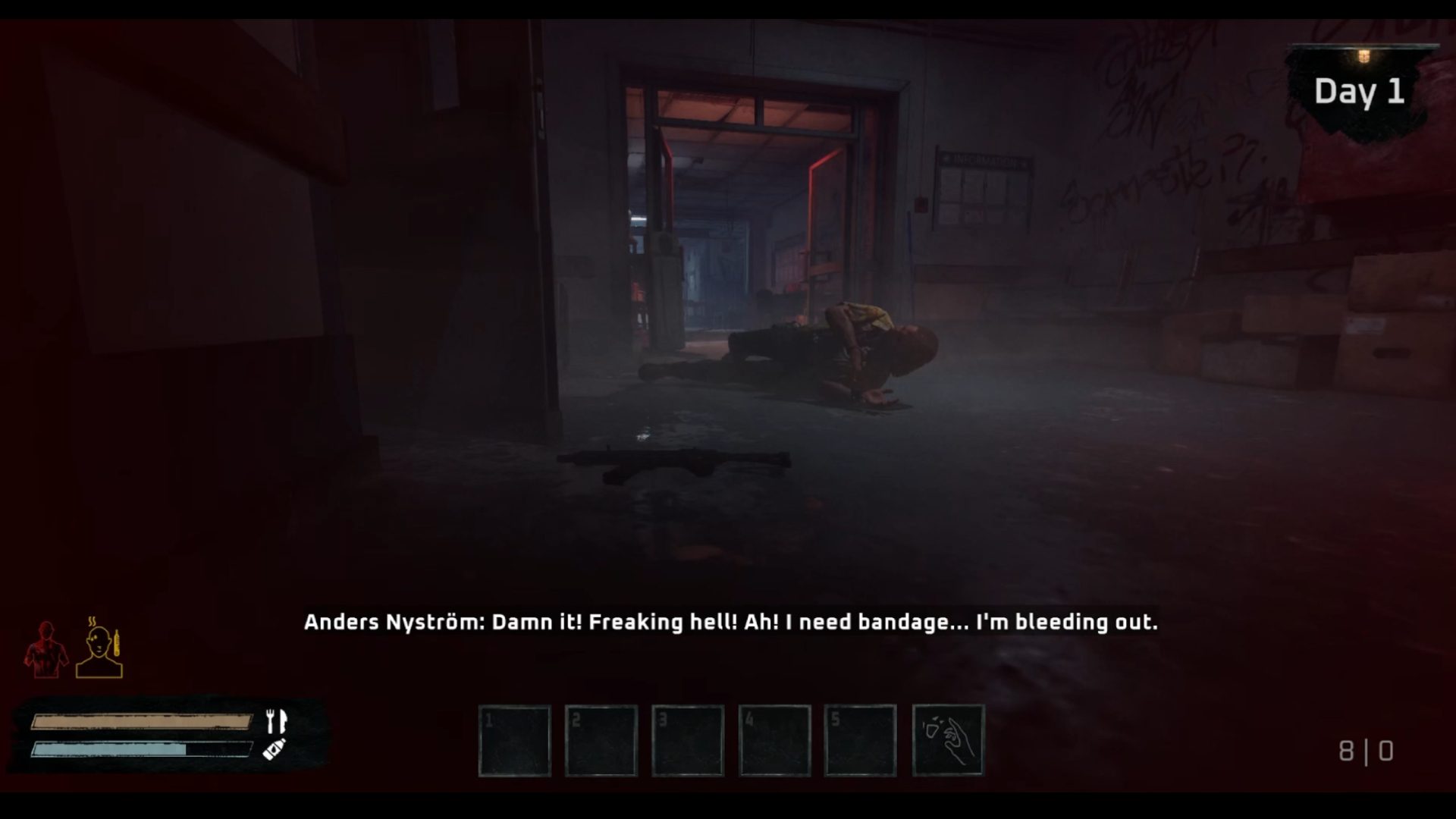
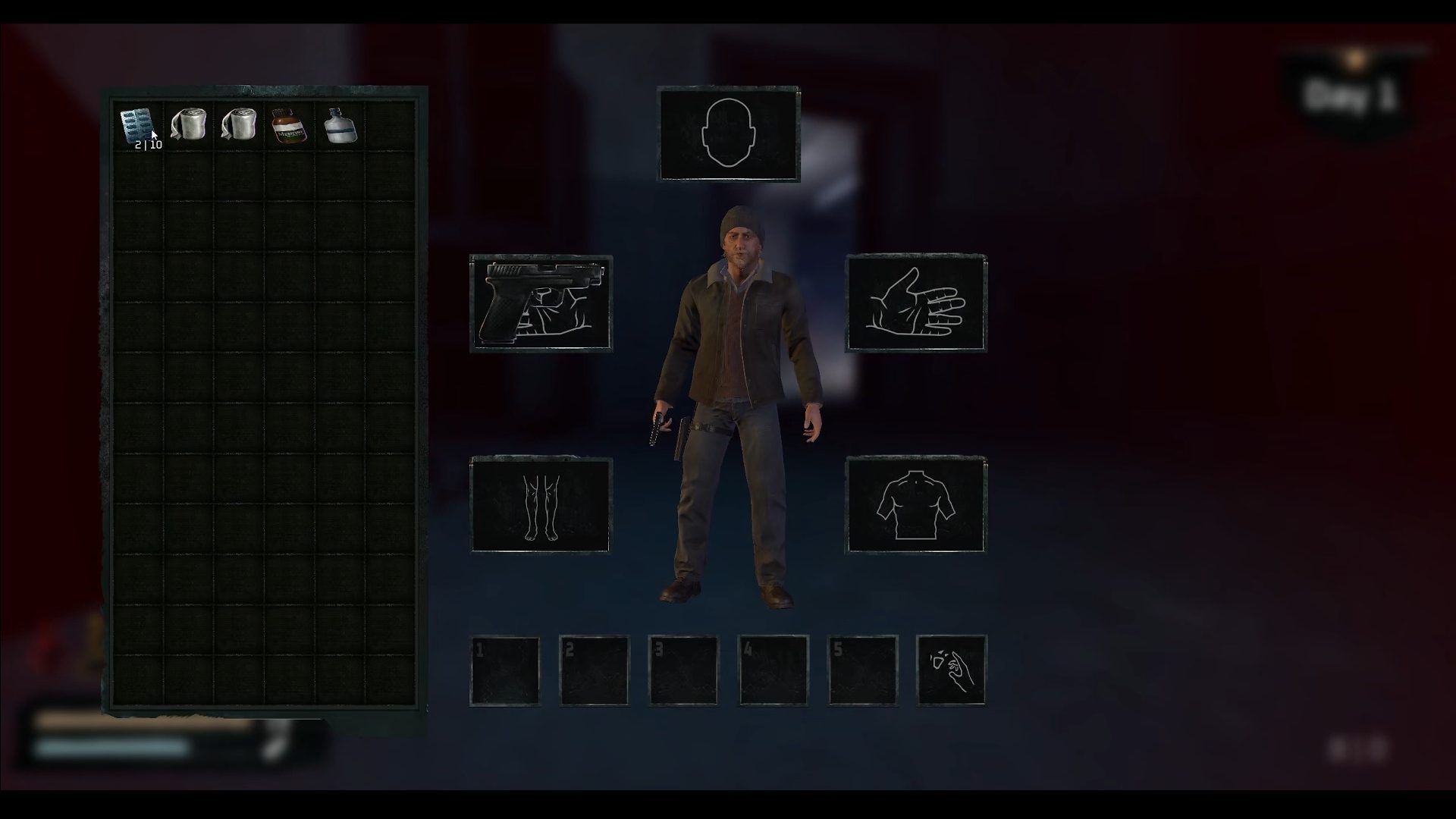
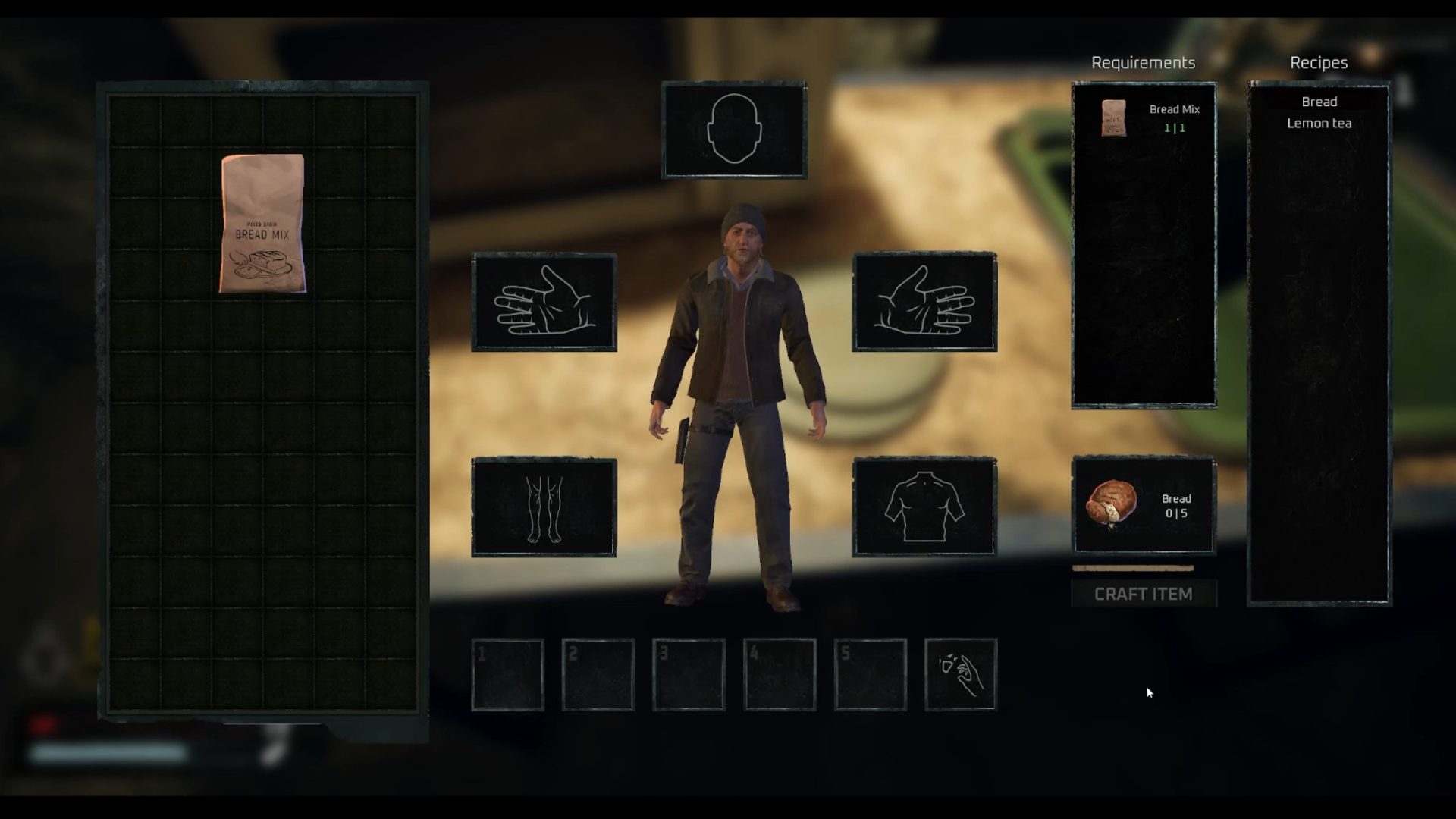
Everything below is captured from the running prototype.
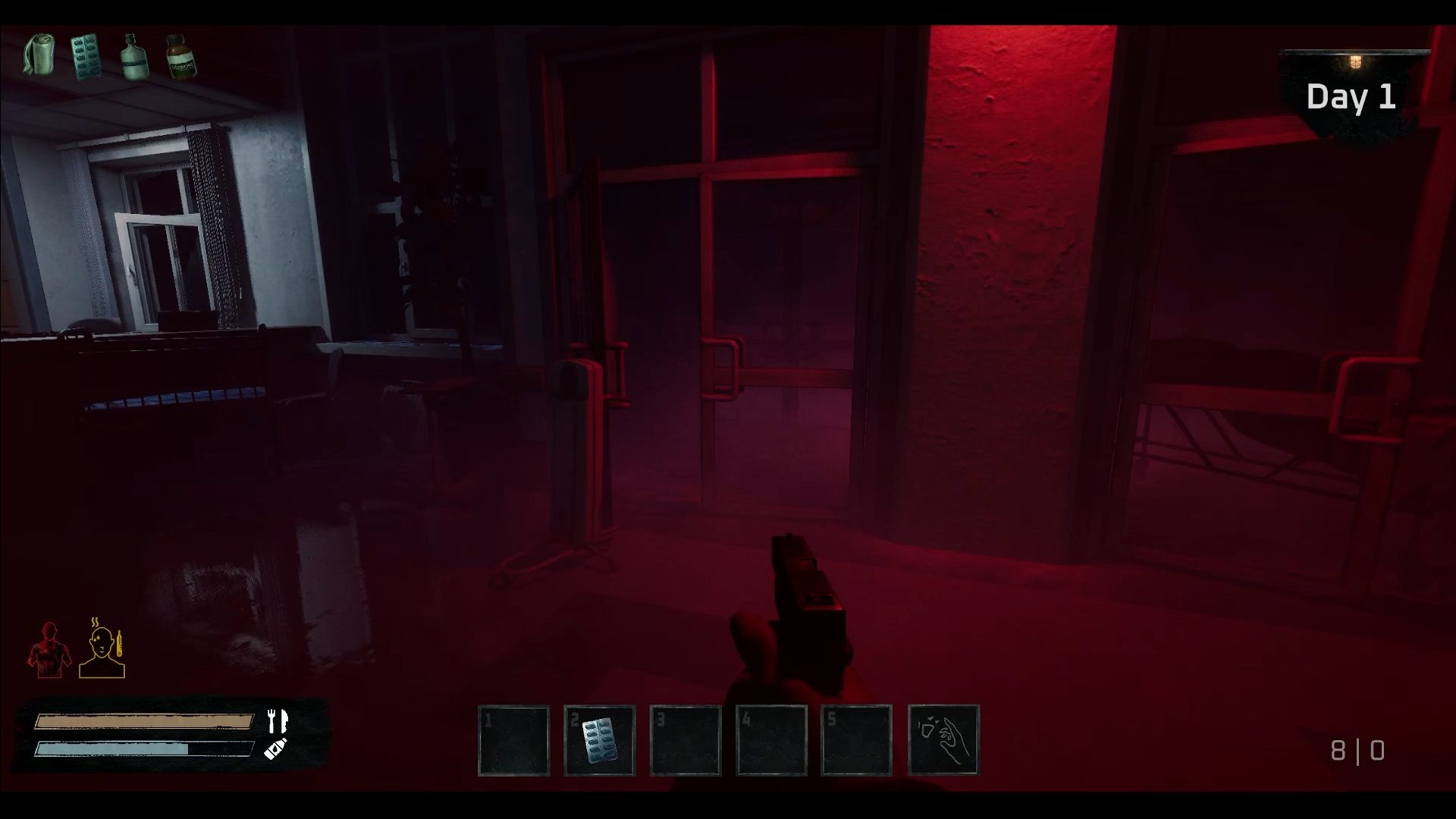
Where it is
Systems
The core systems are implemented and the prototype runs. Most of the mechanics are in and playable.
The team
A programmer, a level designer, an animator and a UI specialist worked on this. It is the largest thing the studio has attempted.
Paused
Production is paused. What exists is an incomplete demo: the systems run, and the content around them is unfinished.
This one is looking for a publisher
The founder calls Witnesses of War the best idea the studio has. The demo and a full breakdown of the systems are available on request.
Get in touch